Celebrate the Struggle
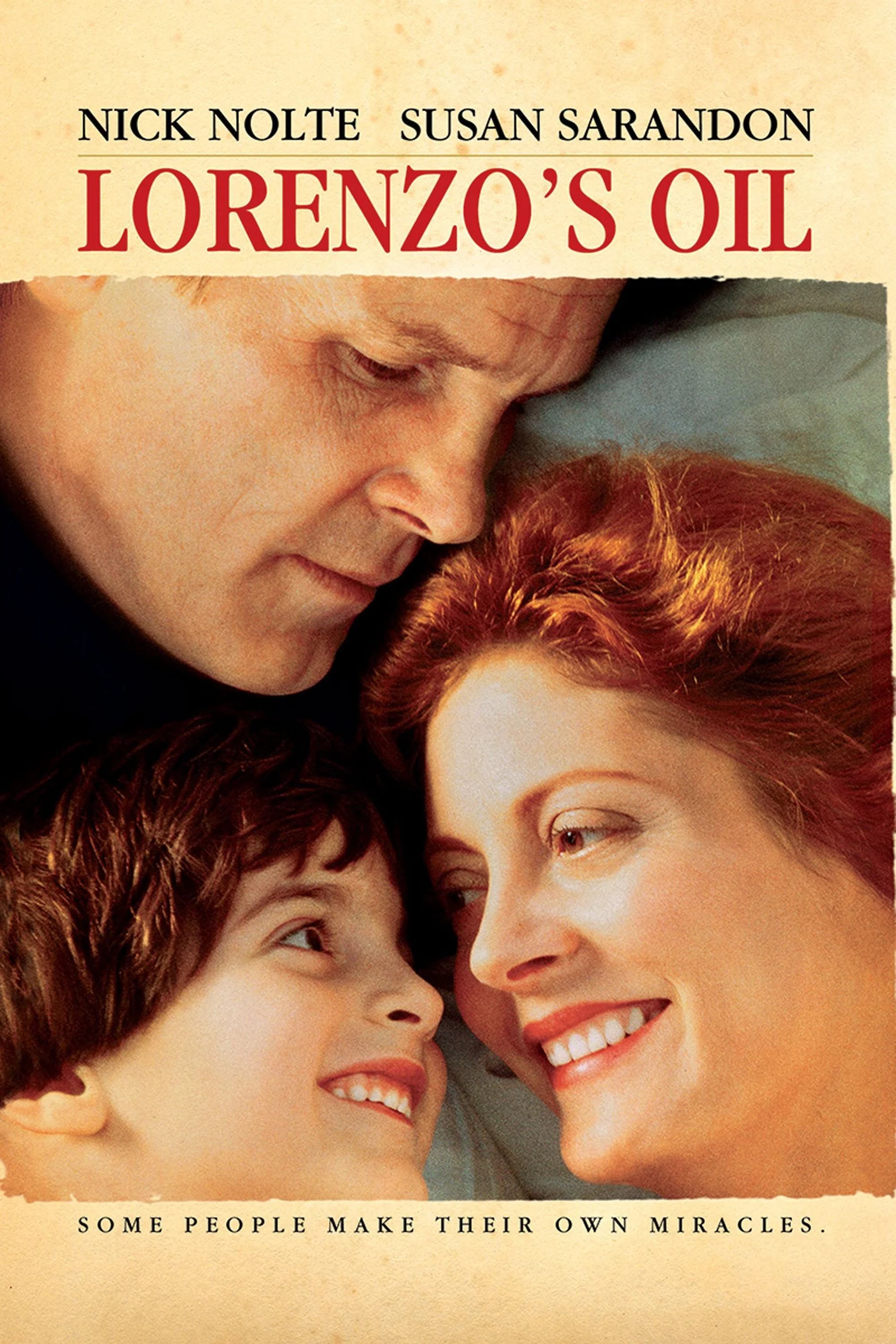
When I was a freshman at Furman University, one of my classes watched the 1992 film Lorenzo’s Oil, directed by George Miller. It’s based on the true story of Augusto and Michaela Odone, parents who search for a cure for their son Lorenzo’s adrenoleukodystrophy (ALD), leading to the development of Lorenzo’s oil. The movie was a powerful experience for me at that age, particularly the music.
What I remember most about the film, though, is its opening epigraph, taken from a Swahili Warrior Song:
Life has meaning only in the struggle.
Triumph or defeat is in the hands of the Gods . . .
So let us celebrate the struggle!
I read this quotation around the same time that I discovered the poet Lucille Clifton and her poem “won’t you celebrate with me”—so the two became one work of art in my own mind.
In her great poem, Clifton asks (and then commands) us to celebrate with her what she has shaped into a “kind of life” and to celebrate with her that she has survived something trying to kill her every day. Clifton never uses the word “struggle” in her poem, but I think her words dramatize the struggle she has undergone (and continues to live through).
The phrase “celebrate the struggle” stays with me because it seems perfectly balanced between what I call the “two DNA strands of all art” (life-and-celebration and death-and-lamentation).
Life, without question, is a struggle of many kinds; there’s no way around it. The acknowledgement of that truth is powerful to me—but the Swahili Warrior Chant (and Clifton) asks—or commands us—to celebrate that struggle. This positive approach to struggle, this existential affirmation of joy in spite of difficulty, is something I’ve been trying to do my whole life.
The Swahili Warrior Chant declares that the success or failure of our efforts are ultimately out of our control or “in the hands of the Gods”—so why think about the endgame? Put all your effort into the struggle and let what will be . . . be.[1] Matter of fact, don’t even lament that you have no control over success or failure or be angry that you have to struggle: instead, learn to celebrate it.
I often think of this phrase, “celebrate the struggle,” when I’m teaching different works of literature. I see in Jane Austen’s Emma, for example, a young lady struggling to be a better person against her own will and in spite of all her privilege. In Hamlet, I see a young man struggling to achieve justice of all types. In Death of a Salesman, I see a man struggling to be a good man (seriously struggling).
Sometimes the characters in these works of art aren’t “celebrating” their struggle, but I maintain that we the readers are. We are celebrating and witnessing their struggles and (mostly) cheering them on.
There is no growth without struggle—and there is no narrative interest without conflict—so the two work together into an existential affirmation of celebrating the struggle that I see both in literature and life.
Maybe every work of literature could be renamed as “The Struggle to ____” as a way into understanding theme. I’ve found it helpful, at least.
[1] Similar to my reactions to Hamlet’s great Act 5 speech to Horatio on “let be.”